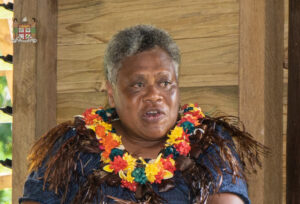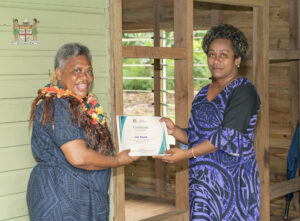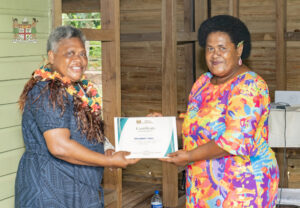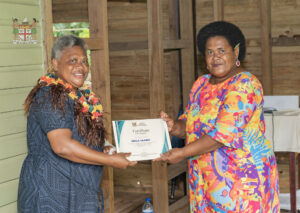
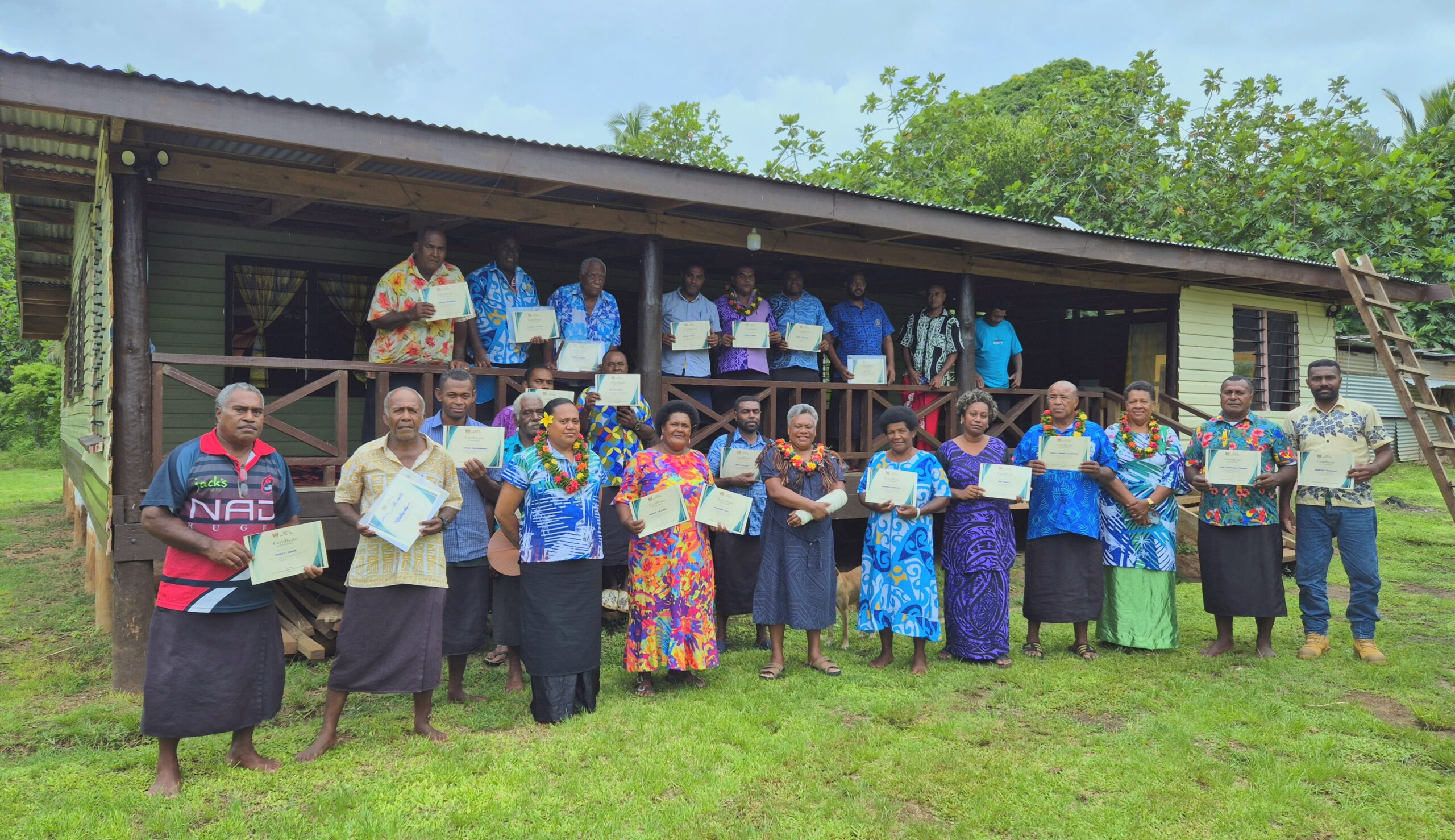
Twenty-three cooperative representatives from Lovu, Vadravadra, Yadua, and the Nadrodro settlement in Gau have successfully completed a three-day Cooperative Management Training programme delivered by the Ministry of Commerce and Business Development. The initiative aims to enhance leadership capability, strengthen governance systems, and support the long-term sustainability of community-owned enterprises.
District Officer Gau, Ms. Iliseva Salabogi, officially closed the programme and presided over the certificate ceremony. In her address, she commended participants for their commitment and emphasised the critical role cooperatives play in advancing rural economic development. She noted that communities such as Narocake continue to be recognised across Gau for operating some of the island’s most successful cooperative businesses.
Ms Salabogi highlighted that transparency, integrity, and collective responsibility form the foundation of sustainable cooperative management.
“Strong cooperatives are built on accurate record-keeping, responsible financial management, and clear governance structures,” she said. “When your accounts are audited, the alignment of your stock records, financial statements, and bank balances will reflect the strength of your management. Upholding these standards is essential for building trust within your membership.”
She outlined that rural enterprises often face unique challenges, including limited access to markets, transportation constraints, and reduced financial services. These realities, she said, reinforce the need for disciplined internal systems and capable leadership.
“Your communities depend on you to provide sound stewardship. The trust your members place in you must be safeguarded through effective and transparent management,” she added.
The three-day training covered key areas such as cooperative governance, financial literacy, bookkeeping, business planning, stock control, and leadership ethics. Participants engaged in practical exercises and group activities designed to improve operational practices and strengthen decision-making within their respective cooperatives.
Lovu villager and participant Timoci Vinakadina expressed his appreciation to the Government for continuing to deliver development programmes to rural and maritime communities. He said the knowledge gained during the training would greatly assist in improving the performance of local cooperatives.
“We are grateful for the opportunity to build our skills and better support our community businesses. It is important that we make full use of these programmes,” he said.
The Ministry of Commerce and Business Development remains committed to supporting cooperative growth and enhancing rural economic resilience through ongoing training, advisory services, and targeted development initiatives.
-ENDS-